

On Sept. 16, a United Nations commission of inquiry confirmed what many of us knew already: Israel is committing genocide in Gaza.
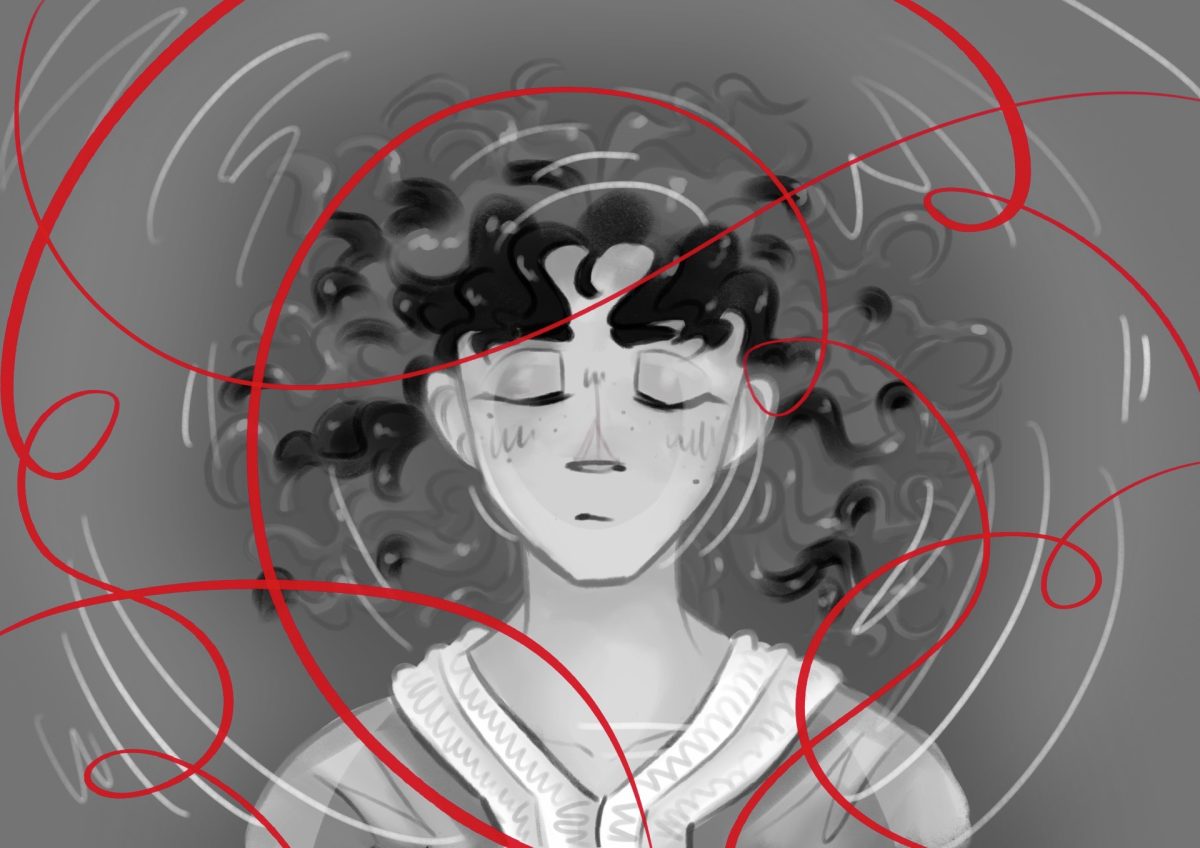
After two years of watching the genocide overseas unfold live on our phones, with each new horrific account out of Gaza more unthinkable than the last, it’s easy to become desensitized.
“News fatigue” refers to the phenomenon where audiences react negatively — consciously or not — to the constant exposure of current events, resulting in avoidance and reduced information consumption, according to The American Journalism Handbook.
News fatigue can be combatted by temporarily disconnecting and taking breaks from the news cycle, according to an Oct. 8, 2024 Psychology Today article.
However, it’s important to recognize that Palestinians in Gaza don’t have the option to simply “unplug” from the news cycle.
I’m not advocating for anyone to expose themselves to graphic images or videos in the name of staying informed; I personally do my best to avoid them. Continued consumption of such content can result in desensitization and “compassion fatigue.”
Compassion fatigue, a phenomenon related to news fatigue, is the gradual diminishing of sympathy after repeated exposure to traumatic incidents during ongoing coverage of global crises, such as wars, pandemics and other humanitarian crises, according to the same American Journalism Handbook article.
As much as I’m tempted to dismiss these terms as first-world problems and move on, that would be counterproductive and hypocritical.
Instead, I want to provide coping strategies for when I’m feeling demotivated and struggling to find hope.
Staying informed without becoming overwhelmed:
Contrary to popular belief, staying up to date on every single current event at all times is actually not necessary for making meaningful contributions to the movement. The goal is not to know the most about the genocide in Gaza; the goal is to end the genocide in Gaza.
That said, reducing your news consumption to the point of impeding your understanding of the situation is not the solution.
As much as it may sound counter to avoiding news fatigue, I like to have notifications on for a couple of different news outlets so I can ensure I’m not missing anything significant.
I’m not proud to admit it, but in order to maintain balance between having news notifications on and not becoming exhausted, I read the headlines. Yes, just the headlines.
Not every article is made equally or requires my equal attention. Combating news fatigue is not about just powering through it, but about changing your relationship with media consumption.
Be intentional about what articles you click on, what accounts you follow and what sources you trust. Remember that no Western news outlet can portray what life is like in Gaza as accurately as journalists on the ground who are not only reporting on the genocide, but actively experiencing it.
Stop doomscrolling and be deliberate:
Recognize that it is in the best interest of those in power and actively invested in maintaining the status quo to keep us feeling defeated and unable to effect change. Don’t suppress your emotions; channel them into energy and purpose.
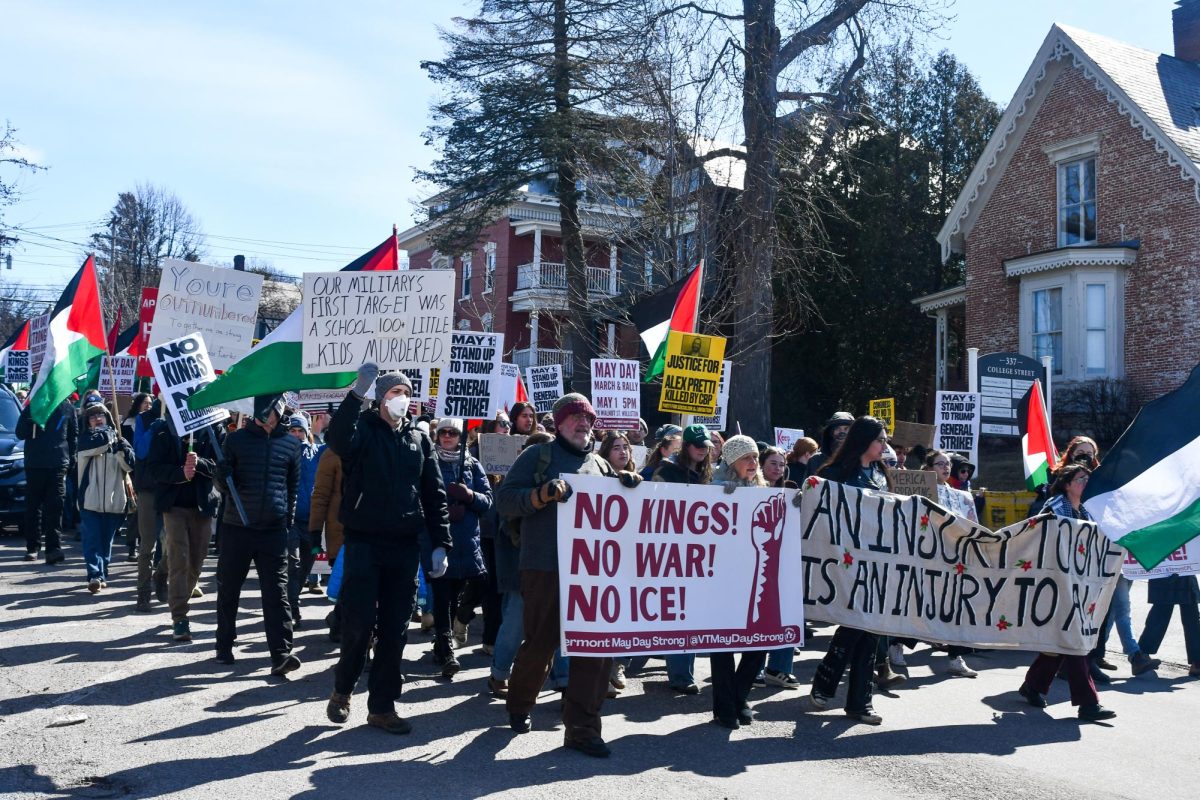
Personally, I find anything that gets me off the couch and off my phone helpful in combating hopelessness and despair. These actions can be as small as attending a UVM Students for Justice in Palestine meeting, participating in a boycott or marching in a rally.
While we can debate the efficacy of different methods of activism all day, the reality is that doing something is better than doing nothing — or scrolling.
Finding other ways to engage, from advocacy to education:
Effective mass movements are multifaceted. Direct action and popular demonstrations represent only one dimension of what’s required to make an impact.
Activists aren’t the only ones who contribute to societal change. In reality, effective movements are made up of artists, journalists and anyone who is willing to question the status quo and speak out.
Everyone has their own personal toolset and background, which can be utilized to best serve the cause in different ways.
Take the time to confront what role the communities you’re involved in — from extracurriculars, academics, to the religious institutions you grew up in — play in the broader context of complicity with Israeli apartheid.
These connections won’t always be clear at first: education is key to understanding the context behind the current situation and unlearning the indoctrination fed to us since we were children. Make an effort to learn about the history and culture of Palestine, prioritizing the work of Palestinian authors, academics and filmmakers.
Gritting your teeth and bearing it:
Again, being able to “disconnect” is a privilege.
No mass movement in history has succeeded because a bunch of people decided to stay in their comfort zones. The history of activism is a history of sacrifice.
Not everyone engaged in advocacy is destined to become a high-profile activist — in fact, most people aren’t — but that’s the whole point. Successful movements aren’t built on the backs of a few people doing all the work, but of many people doing a little bit of work.
Oftentimes, some of the most meaningful actions you can take are the mundane. Change starts at home. Confront genocide denial where you see it and don’t compromise on your principles, even if it means having some difficult conversations with your loved ones.
Remember, Palestinian liberation isn’t about any one individual or their feelings. None of us are free until all of us are free.
The Vermont Cynic accepts letters in response to published material, as well as any issues of interest in the community. Please limit letters to 350 words. The Cynic reserves the right to edit letters for length and grammar. Please send letters to [email protected].