

I used to practice my smile in the mirror, taking pictures from all angles to know which way to turn my face when being photographed to master the art of effortlessly looking perfect.
Before I was fully grown, I used to trip over my feet on a daily basis, and I practiced, practiced, practiced walking at home to keep myself safe from the public humiliation I might face if I tripped again in the wrong circumstances.
Growing up in a world where eyes could always be on you means that every decision can make or break you.
We spend hours watching people filming their lives; so much so, in fact, that we forget what it means to live without a camera involved.
Every time a new degrading and humiliating video of someone caught in an embarrassing situation goes viral, it’s a constant reminder that any single moment could define you.
Sometimes you wonder, “What if the world makes a joke out of me, and I’m not in on it?”
In response, we’ve collectively shifted into a mindset crafted to ensure our outward expression is safe from public humiliation.
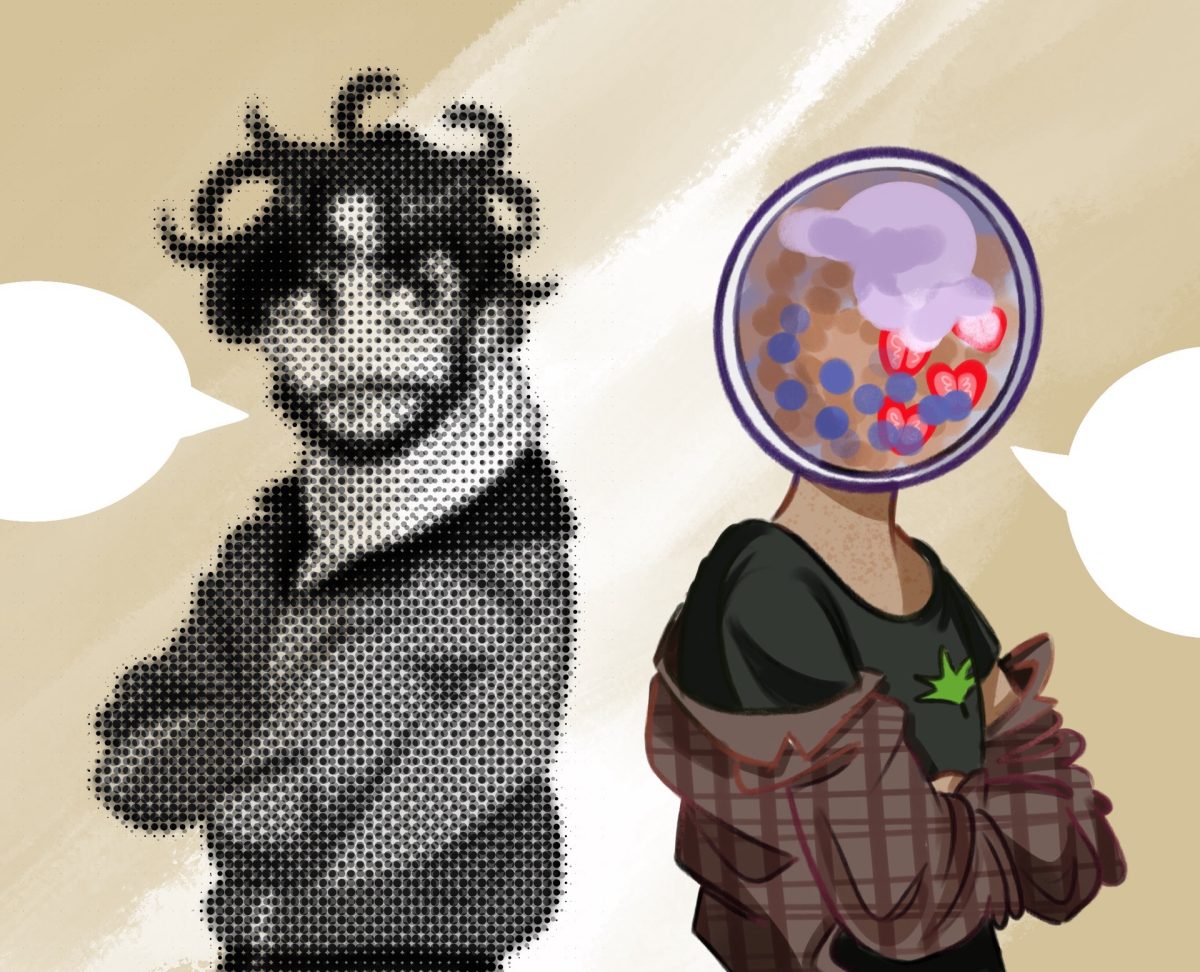
We can call this the epidemic of nonchalance, as coined by The Daily — what I see as a disease of perceived carefreeness.
You see this facade wherever you look, whether it’s in those you deem cool because they seem completely unbothered, or the “effortless” photos online that you wish you could take.
But it’s all just a performance.
This unenthusiastic cultural shift didn’t come around without reason. We are now constantly aware that there could be hidden cameras on us, recording our every move.
Sometimes I walk around pretending that I am already being recorded, just so that I feel in control of what could potentially be posted online.
Constant surveillance has become normal.
However, just because it’s normalized does not make it the only way to live.
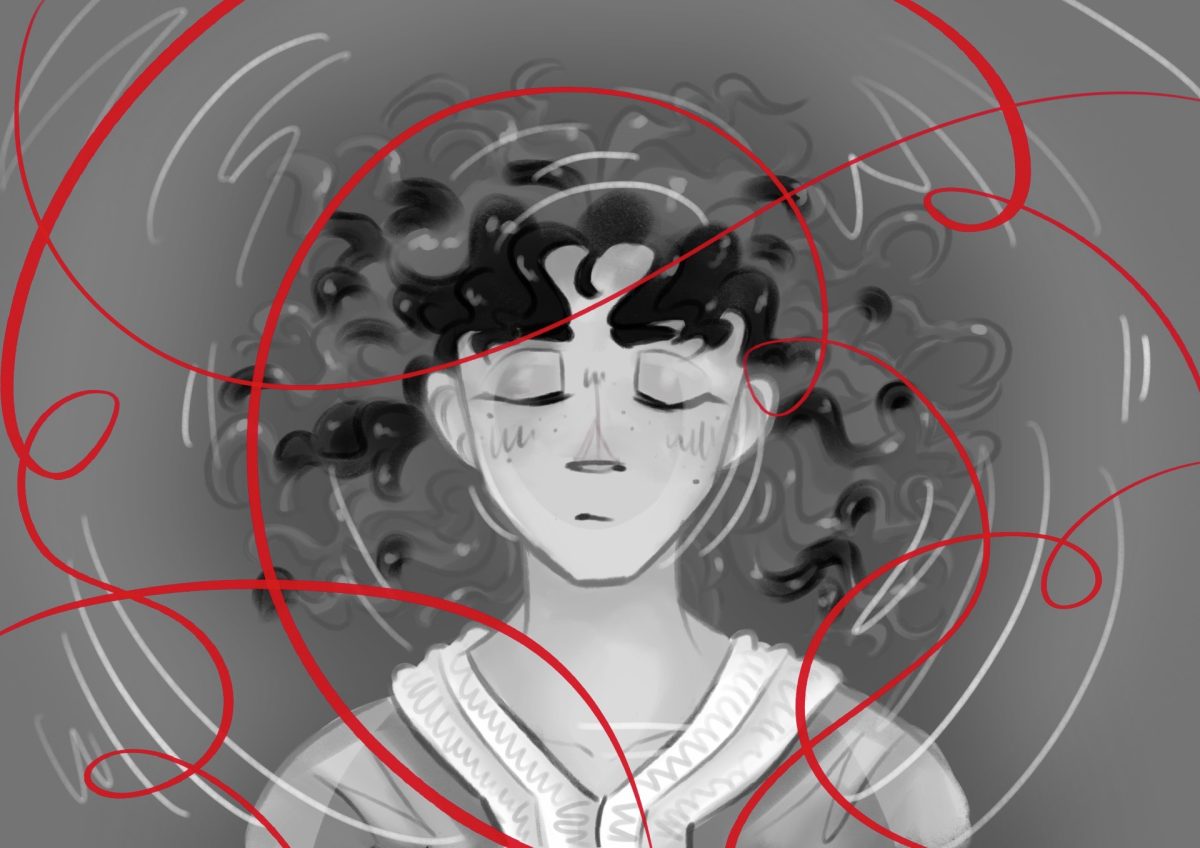
I believe that our shift into an attitude of nonchalance has become a safety net: it’s safer to stay inside the net, letting everything you feel remain shielded from the outside world.
It’s safer to portray yourself as something guaranteed to be free from judgment, since nobody can judge you if you don’t give them something to judge.
Even if you were to receive judgment about this persona, it’d never hurt you when you know that you are hiding what makes you most vulnerable or what you care about the most.
We all know the feeling of being judged for putting ourselves out there. We all know the pain from the rejection that hits deepest.
But living a life that’s guided by an avoidance of this pain won’t move you forward. You don’t gain power by showing the world that you’re tough because you don’t care. Instead, what you’re doing is living a life out of fear.
Being “nonchalant” may feel safe, but it will isolate you from genuine connection. This is something that is more important than we’ve been led to believe in our individualistic society. Connection is what we need most in a time when we feel alone and powerless.
You can’t ever fully connect with another individual if they never have the opportunity to see who you really are. The biggest part of who you are is, arguably, what you care most about.
It may be scary to show the world how deeply you care, but it’s even scarier imagining a world where nobody understands you, where you live alone in a safety net rather than in a community where you can be vulnerable.
While the possibility of being publicly humiliated may continue to loom over our minds, we have the ability to not let it control us and the way we live our lives.
After all, it’s better to make a fool of yourself while being authentic than to let the fear of judgment stop you from seeing the beauty in caring.