
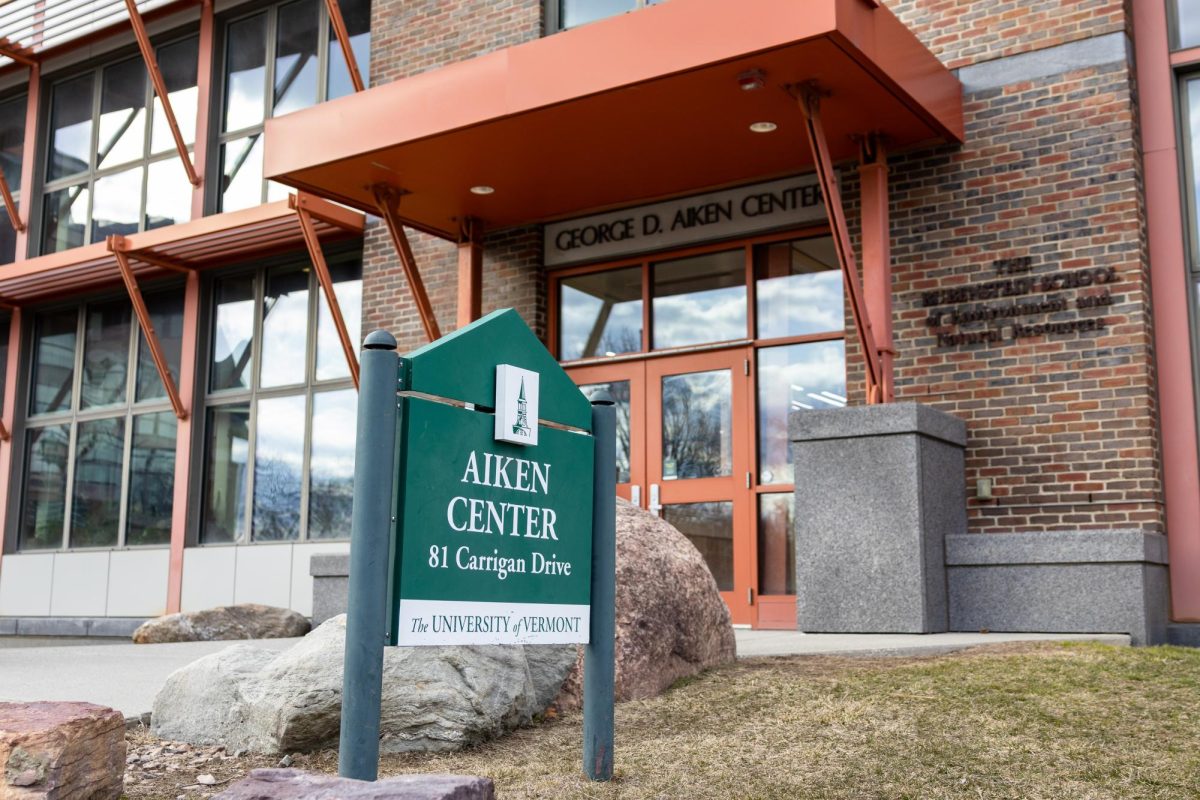
As Earth’s climate changes, environmental education at UVM has adapted to ensure students are adequately prepared to address the issue.
Modifications include an increased presence of the topic in existing classes, new courses focused specifically on climate change and shifts in tone towards the issue, said Allan Strong, professor in the Rubenstein School of Environment and Natural Resources and director of the Wildlife and Fisheries Biology program.
“It’s definitely a part of every single course in the Rubenstein School,” Strong said. “In the early 2000s, I would talk about it some, but it hadn’t seemed quite as imperative as it is now.”
In Vermont, variations in weather caused by climate change have led to alterations to the timing of bird migrations, increased frequency of floods and changing storm patterns, said Lesley-Ann L. Dupigny-Giroux, professor of climatology and Vermont State Climatologist.
Climate change also has adverse economic impacts on the state.
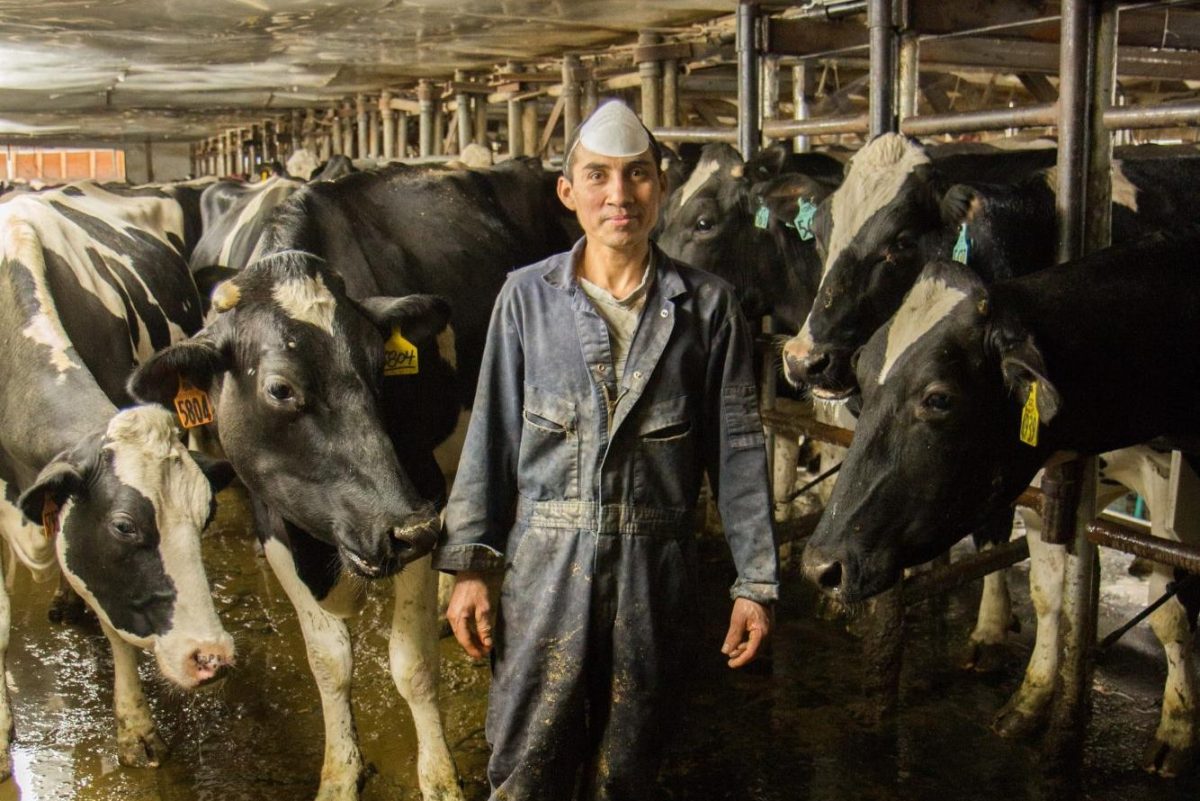
The agricultural sector is particularly sensitive, as adapting to the highly variable weather conditions creates a multitude of challenges. Furthermore, changes in climate conditions affect the length, timing and vibrancy of the state’s fall foliage season, which is a key attraction for tourists, Dupigny-Giroux said.
Strong believes educating RSENR students about these issues is important in helping them develop a well-rounded view of climate change.
“How does climate change impact winter sports? How does it impact water recreation in the summertime?” Strong said. “Trying to make sure students don’t just think about climate change but can really think about the specific impacts that’s happening on their subdiscipline.”
New courses have emerged to address the topic of climate change, including a graduate-level course that focuses on communicating climate change to the media, Strong said.
Strong was motivated to add greater emphasis on climate change to his courses when developing Vermont’s once-a-decade Wildlife Action Plan in 2015. The plan revealed that climate change is a significant threat to the population viability of many species in the state.
“Understanding that [climate change] is a threat that we’re trying to address at the state level for all of these species seems like an important thing for students to really understand,” he said. “It’s actually driving how we’re spending money on conservation issues in the state.”
Recently, UVM’s environmental education has also focused on solutions to address the feelings of anxiety and hopelessness students feel in the face of climate change, Strong said.
“We’ve really tried to pair dire consequences with solutions, to try to continue to say, ‘yes, there are things that we can do and ways that we can continue to mitigate and minimize the effects of climate change,’” he said.
Strong points to the federal government’s attitudes towards climate action in guiding students’ current attitudes on the subject.
“There’s so much pushback from the federal government now,” he said. “I think that, unfortunately, leads to some despair in our students.”
Senior Ainsley Balda, an environmental sciences major, believes striking a balance between the reality of climate change’s impacts and the more hopeful side of action is important in climate change education.
Balda said that while it can be easy to focus only on the negatives, one of her favorite lectures was about how people are taking action.
“The last section look[ed] [at] what people are actually doing and what’s been accomplished,” she said. “And I feel like that needs to be more of a focus than regurgitating the same statistics that we see all the time.”
Balda believes that focusing too much on the hopeful side of climate change can be harmful, though.
“If you give people too much of the hopeful side, they’re like, ‘Okay, well, then there’s not really anything for me to contribute.’ Or like, ‘Oh, we’re doing so well, what more do we have to do?’” she said.
Sophomore Jackie Lanear, also an environmental sciences major, feels similarly to Balda.
“Having that hopeful element is definitely beneficial as a student, but I need to know the issues as well,” they said. “A good balance is where professors and students will succeed the best in the topic of climate change.”
Despite their approval of a more hopeful climate change education, room for improvement in this teaching remains, according to Balda.
Balda said she would like to see more specific examples of climate action at all levels, from local to state to national, in climate change education.
“It can help to inspire students to figure out what they’re actually passionate about,” she said.
Beyond their classes, there are many opportunities for students to gain practical skills in the climate change field, Dupigny-Giroux said. She recommends students talk to her or their professors about potential jobs and internships.
“My greatest joy is actually connecting students with folks who have different opportunities for them,” she said.