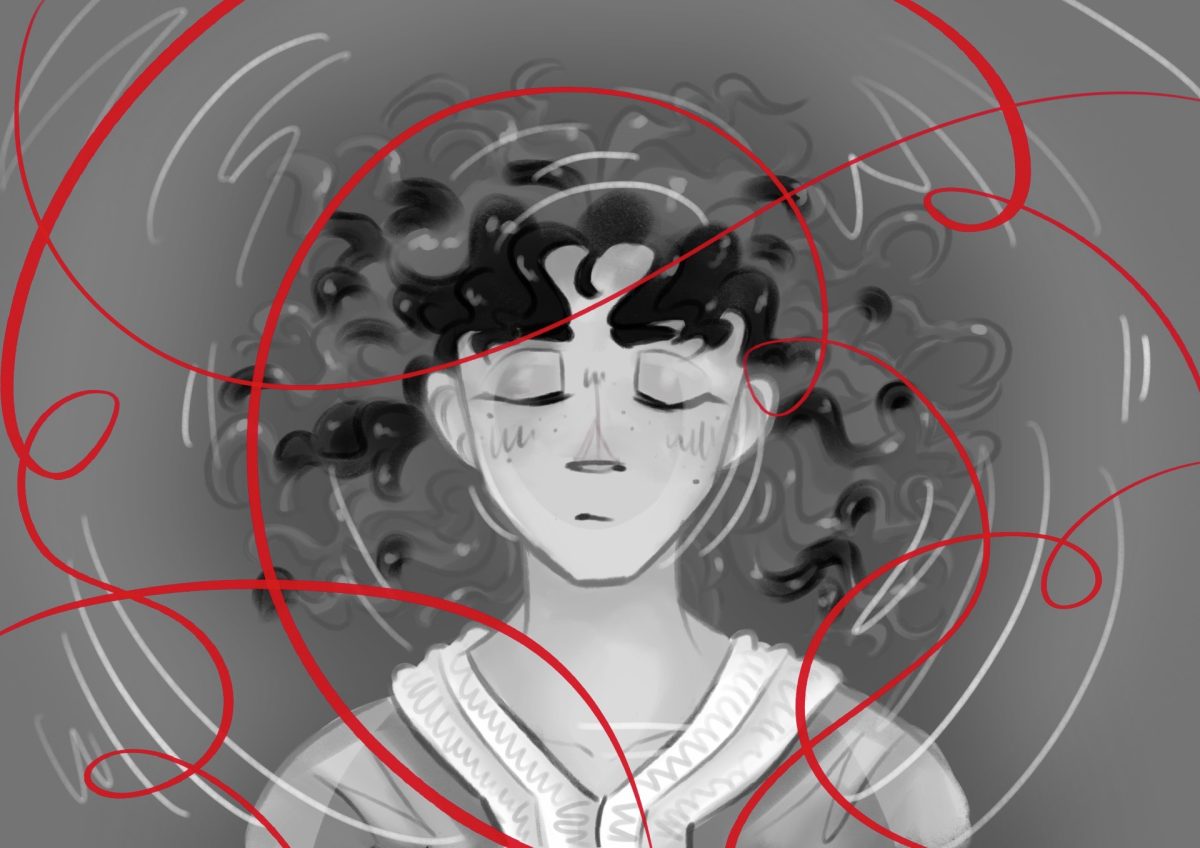


Five weeks ago, I sat on the floor in one of my closest friends’ kitchens, hysterically crying for hours while he tried to comfort me.
This was not the first time we found ourselves in such a situation; in fact, during the months last spring when we lived together, it happened more times than I can count. Yet he has never judged or made me feel like a burden for struggling.
I was first diagnosed with a mental illness when I was around six years old. For as long as I can remember, I have struggled with my mental health and emotional stability. My conditions affect every aspect of my life, especially my relationships.
Since 2020, we have witnessed a cultural revolution in terms of how the general public sees mental illnesses. Stigma has decreased, and more people are seeking mental health treatment than ever before, according to a September 2022 CDC article.
I fear that in the process of taking this step forward, our generation has forgotten that mental illnesses are illnesses.
Illness is not a dirty word. There is nothing morally wrong with being sick or having an illness, nor should admitting such a thing be a source of shame.
Yet, by nature, illnesses cause distress and impair your daily life. The more severe the illness, the more intense the distress and impairment are, whether that illness is physical or mental.
In fact, many mental illnesses are recognized as disabilities by the federal government under the Americans with Disabilities Act.
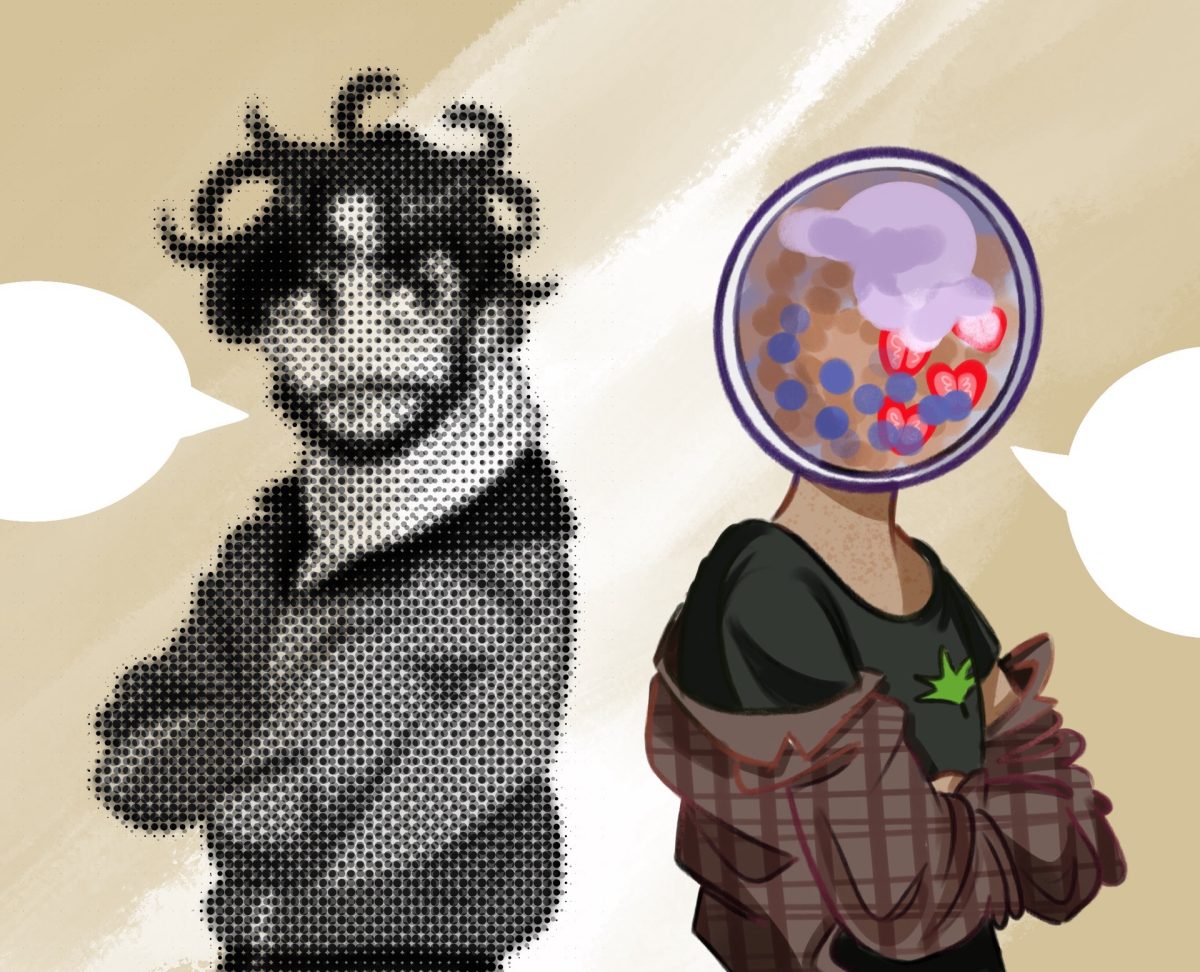
When starting any new relationship, platonic or otherwise, I am always open about the fact that I have severe mental health conditions and that I require, for lack of a better word, accommodations. I know that being friends with me is not like being friends with the average person.
Let’s be clear, being mentally ill is not an excuse to be an asshole. Being mentally ill is not an excuse to be inappropriately or overly dependent on the people in your life.
If you have a mental illness, it is your responsibility to seek treatment, work on yourself, treat others with kindness and respect their boundaries.
But, if you are choosing to form a relationship with someone who you know has a mental illness, you have to accept and be prepared for a relationship that is going to require things that others don’t, especially if the condition is severe.
They may need more direct communication or reassurance than you are used to giving. They may require extra patience when it comes to response time or their ability to hang out. There may be certain topics of conversation, activities or locations that have to be avoided.
They may have a completely different way of thinking, feeling, perceiving and existing in the world than you do, which will require active effort to understand.
If you cannot, or do not want to give these things, a relationship with that person may not be for you. And that’s ok. Not every person or every relationship is right for everyone. We all have different skills and limitations in what we are capable of giving.
If you had a friend who has a severe physical illness or disability, you would expect that they would not be able to do everything the same, or to the same extent, as you are used to.
Nor would you expect their illness or disability to heal overnight once they start seeing a doctor.
Recovery takes time. Healing takes time. And some conditions, both physical and mental, never go away.
I have been in weekly therapy for eight years. During that time, my symptoms and my life have improved significantly. But I will likely require some form of mental health treatment for the rest of my life.
I experience severe panic attacks, flashbacks and monthslong depressive episodes. While I’m working on it, I can still require significantly more reassurance, direct, clear communication and patience than most people are used to giving. It’s because of this that I realize being my friend is not the easiest thing.
So, I am very honest about that reality. I am working on myself, but that takes time, and meanwhile, I still want and deserve to have friends.
Losing friendships or relationships, new or old, because of your mental health hurts. But I will always want someone to be honest with me about what they’re capable of.
Because what hurts more than losing out on a new friend is someone saying they want to be in my life, only for them to balk or get angry with me for requiring or doing the very thing I told them I require or do.
Having an illness, condition or disability is nothing to be ashamed of. But people who struggle with their mental health need to recognize that relationships with us often require more time, energy and patience than others.
Conversely, if you are choosing to enter into a relationship with someone who is mentally ill, you need to ask yourself if you are willing and capable of entering into such a commitment.
Before asking someone who has likely been deeply hurt in the past to trust you, you need to ask yourself whether you can give them the patience, kindness and understanding they will need and deserve, because it won’t always be easy.
I do not like the fact that a month ago, I was crying on the floor in my friend’s kitchen. But I will be eternally grateful for the fact that he and my other friends want me and are here to support me for the person I am.
I am beyond grateful that they want me. Not some hypothetical healed future self, or a romanticized manic-pixie-dream-girl that is mentally ill, but only in the “fun” way. They want a friendship with me. And all the good, the bad and the mess that can come with it.
The Vermont Cynic accepts letters in response to published material, as well as any issues of interest in the community. Please limit letters to 350 words. The Cynic reserves the right to edit letters for length and grammar. Please send letters to [email protected].